
Mud pumps maintain fluid circulation in oil and gas drilling, and the liner is a critical component that affects performance, efficiency, and cost. Understanding its function, materials, and selection criteria is essential for operators and procurement teams.
Let’s find out more about mud pump liners, their types and materials, and how to select them to minimize downtime and extend service life in this blog.
What is a Mud Pump Liner?
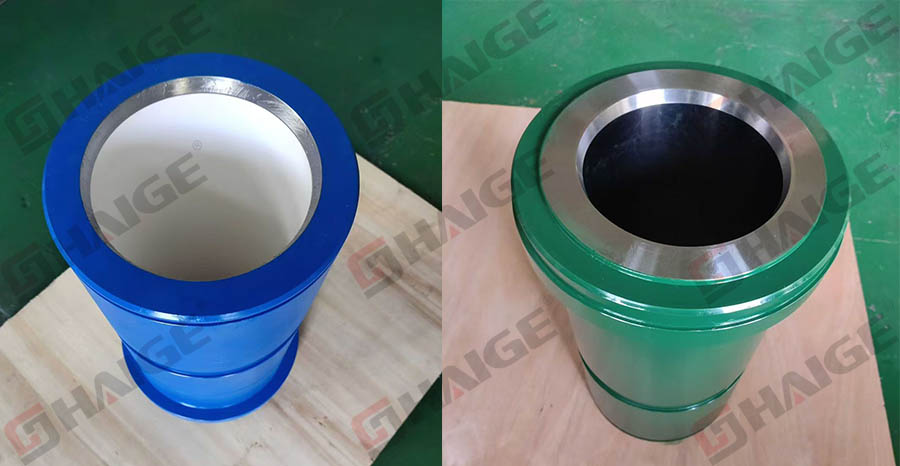
A mud pump liner is a cylindrical insert installed in the fluid end of a reciprocating pump, forming the inner wall of the pump chamber.
It enables the piston to generate pressure and move drilling fluids through the wellbore.
The liner’s purpose is to:
Resist abrasive wear caused by high-pressure, solids-laden drilling mud.
Maintain the seal with the pump piston.
Protect the outer cylinder from erosion and damage.
Without a high-quality liner, pump performance declines rapidly, leading to leakage, energy loss, and unplanned maintenance.
Types of Mud Pump Liners
Liners are primarily categorized by material construction:
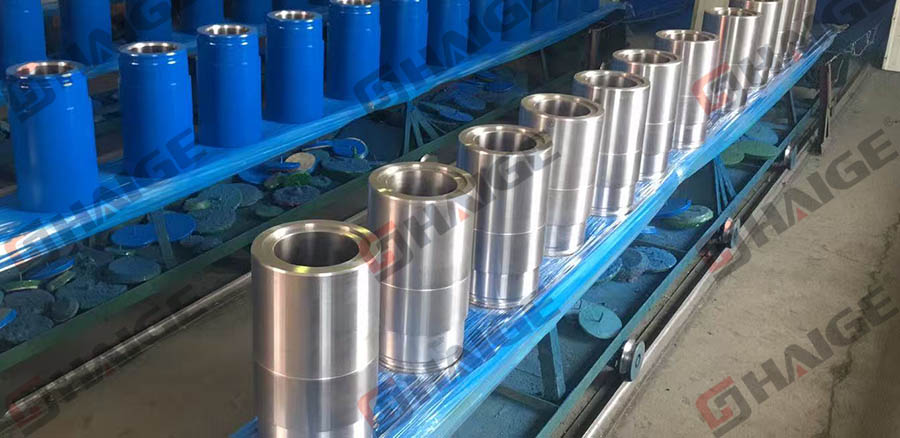
1. High Chrome Liners (also Bi-metal Liners)
Bi-metal liners feature:
A forged steel outer shell provides strength and impact resistance.
An inner sleeve made of high-chrome alloy or other hardened materials resists extreme abrasion.
Bi-metal liners are widely used, offering a balance of durability and cost efficiency.
2. Zirconia Ceramic Liners
Zirconia ceramic liners feature an advanced ceramic zirconia inner sleeve, offering:
Superior wear resistance
Extended service life
Reduced overall maintenance frequency
Although ceramic liners have a higher initial cost, they often reduce total ownership costs over time, particularly in demanding drilling conditions.
#MudPumpLiners #12P160Liners #OilAndGasEquipment #DrillingTechnology #Drilling MudPmps #MiningEquipment #GeothermalDrilling #APIStandards #MHWIRTH TPKPumpLiners#MudPumpSolutions #Triplex Mud Pumps #Zirconia Ceramic Liners #Gardner Denver Liners #NOV Mud Pumps #OffshorePumpLiners #Mudsystem #highpressuremudpump