
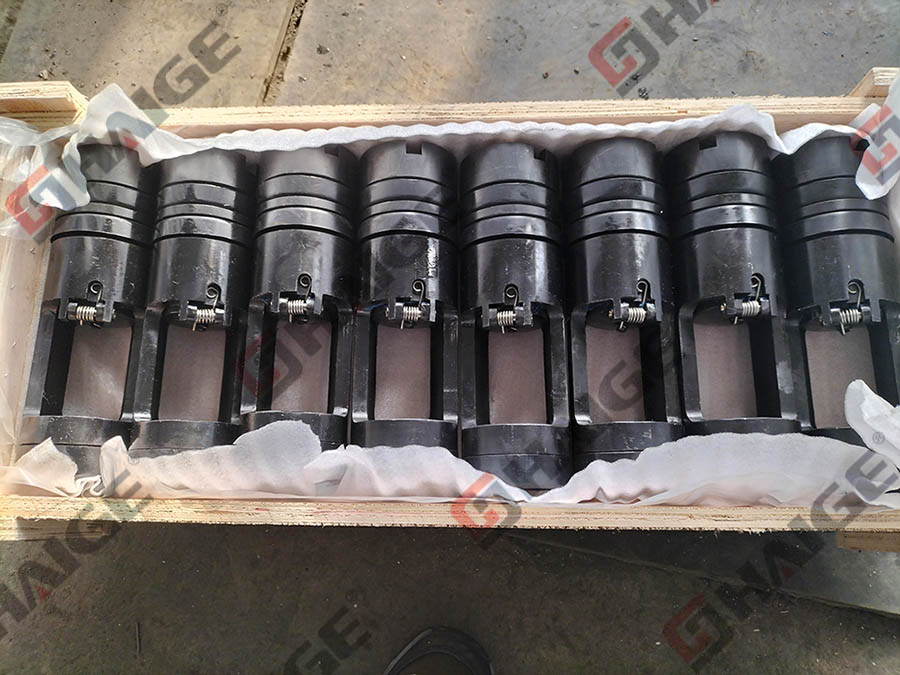
Drilling Operations
In the complex world of oil and gas drilling, even the smallest components play a crucial role in ensuring smooth operations. Among these, the float valve stands out as a vital tool for maintaining well control, protecting the bottom hole assembly (BHA), and improving overall drilling efficiency.
Whether you’re drilling in challenging formations or deep offshore wells, installing the right float valve can make a significant difference in both safety and performance.
What is a Float Valve?
A float valve, also known as a back-pressure valve, is a type of non-return valve used in the drill string. It is typically installed near the bottom of the drill pipe, usually within a float sub, to prevent backflow of drilling fluids into the drill string.
When pumps are turned off, the float valve closes automatically, blocking any unwanted fluids or cuttings from flowing upward. This self-sealing mechanism helps maintain wellbore pressure and protects sensitive downhole equipment.
How Float Valves Work
During Drilling: The valve opens to allow mud to flow downward to the bit.
When Circulation Stops: The valve closes, preventing upward flow.
In Case of Formation Kick: It acts as a first-line defense to reduce the risk of blowouts.
Types of Float Valves
Plunger-Type Float Valve (Type F)
Offers full flow with minimal pressure drop.
Ideal for high-volume circulation.
Flapper-Type Float Valve (Type G)
Provides a quick seal in high-pressure situations.
Excellent for kick prevention and well control.
Key Benefits of Float Valves
Prevent Backflow: Ensures fluids don’t enter the drill pipe from the wellbore.
Protect Downhole Tools: Reduces the risk of damage from reverse flow or debris.
Enhance Safety: Minimizes the chances of formation kicks or blowouts.
Improve Mud Control: Aids in managing hydrostatic pressure.
Support Efficient Drilling: Reduces non-productive time due to tool failures or wellbore instability.
Applications for Float Valves
Oil and Gas Drilling
Geothermal and Water Wells
Directional and Horizontal Drilling
HPHT (High-Pressure, High-Temperature) Wells
Choosing the Right Float Valve
When selecting a float valve, consider:
Mud weight and viscosity
Expected downhole pressure
Well depth and temperature
Tool string configuration
A properly selected and maintained float valve ensures consistent performance, better well control, and lower maintenance costs over time.
Boost Drilling Efficiency with Quality Float Valves
Investing in premium float valves is a smart move for any drilling operation. These compact yet powerful components deliver big returns by improving reliability, safety, and overall well integrity.
Whether you need standard API float valves or custom-engineered solutions, always source from trusted manufacturers with proven performance in the field.
Keywords for SEO:
Float valve, drilling float valve, oilfield float valve, non-return valve, drill string tools, well control equipment, bottom hole assembly, flapper valve, plunger valve, drilling safety tools, float sub
Hashtags:
#FloatValve #DrillingSafety #WellControl #OilAndGasDrilling #DrillingTools #NonReturnValve #DownholeEquipment #BHA #DrillString #PetroleumEngineering #OilfieldTech #Drill Pipe Float Valves #Non Return Valve #Back Pressure Valves